 +91 929292 8787
 Book My StayMenu
Most offsites fail quietly. Nobody says it out loud. A well-planned corporate offsite Jim Corbett programme succeeds or collapses on one thing, and it is almost never the venue. It is the shape of the days, decided weeks before anyone books a room.
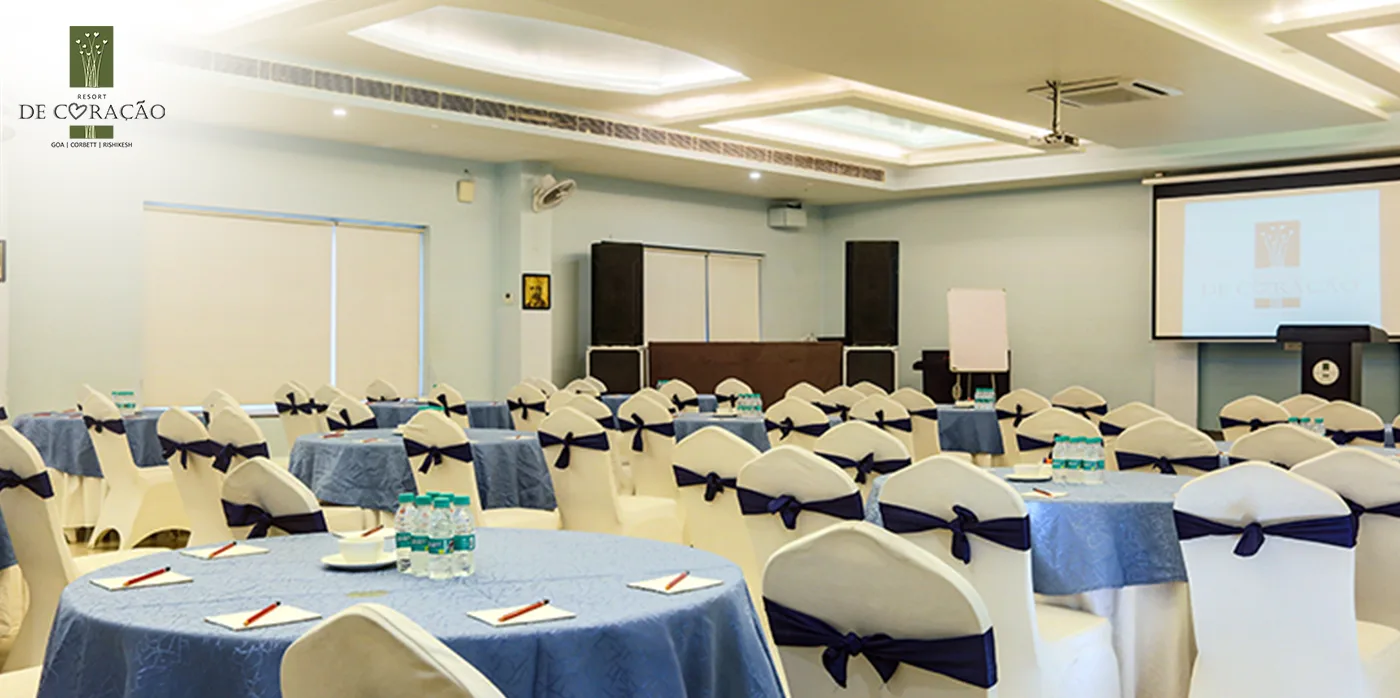
A corporate offsite in Jim Corbett is shaped by the days decided weeks before anyone books a room.
We have watched forty of these now. The agenda was the problem nearly every time.
Here is what keeps going wrong:
That last one is an expensive mistake. Below is the template we keep returning to.
Day one is not for work. This is the hardest thing to convince leadership of and the one that changes everything.
People arrive carrying their last three weeks. Their inbox is still open in their head. Asking them to strategise in that state wastes a good day.
The teams that resist this are the teams that need it most. What happens the next morning explains why.
Dense, but not long. Four focused hours beat eight hours of drift.
That midday break is the piece organisations cut first. It is also the piece that produces the most. Walk anywhere across the Corbett belt mid-afternoon and you will find people finally having the conversation they were too polite to start in the session.
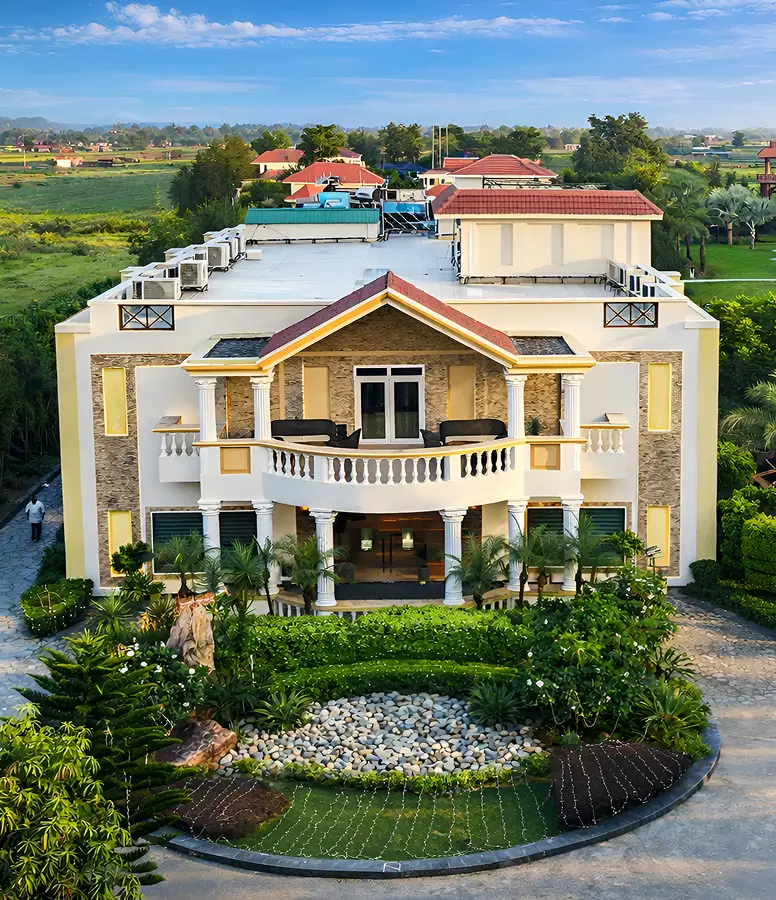
When comparing resorts for corporate events in jim corbett, the physical layout matters more than planners expect. People need room to scatter and drift back on their own.
The final morning is short. It should feel almost anticlimactic. That is correct.
Adding one more session on the final morning has ruined more offsites than any other single decision.

Across forty programmes, ranging from an eleven-person leadership group to a thirty-four-person sales team, the variables were surprisingly few.
That last point is quiet but decisive. When your own people are chasing transport and room issues, they are not participating. A properly managed corporate group stay jim corbett arrangement absorbs all of it invisibly, and nobody in the room ever notices it happening.
"Not finance. Not strategy. Not technology. It is teamwork that remains the ultimate competitive advantage, both because it is so powerful and so rare." Patrick Lencioni, The Five Dysfunctions of a Team, Jossey-Bass, 2002
Lencioni's argument is that teamwork is rare because it takes deliberate design. An offsite is that design work is made physical, which is why the agenda, not the setting, carries the weight.
A corporate retreat Jim Corbett benefits from distance that is real but not draining. Roughly a day's drive from Delhi NCR, with forest edges, riverbeds, and open ground where people can walk and think.
Teams behave differently outdoors. Hierarchies loosen. The person who never speaks in a boardroom will say the sharpest thing of the entire programme while walking a trail at four in the afternoon. That is not sentiment. We have seen it often enough to plan around it.
The template is not proprietary. Anyone can run it. What separates a good offsite from a forgettable one is whether someone protects the structure when pressure builds to add just one more session.
Get the agenda right and the venue supports it. Get it wrong and no venue can rescue it.
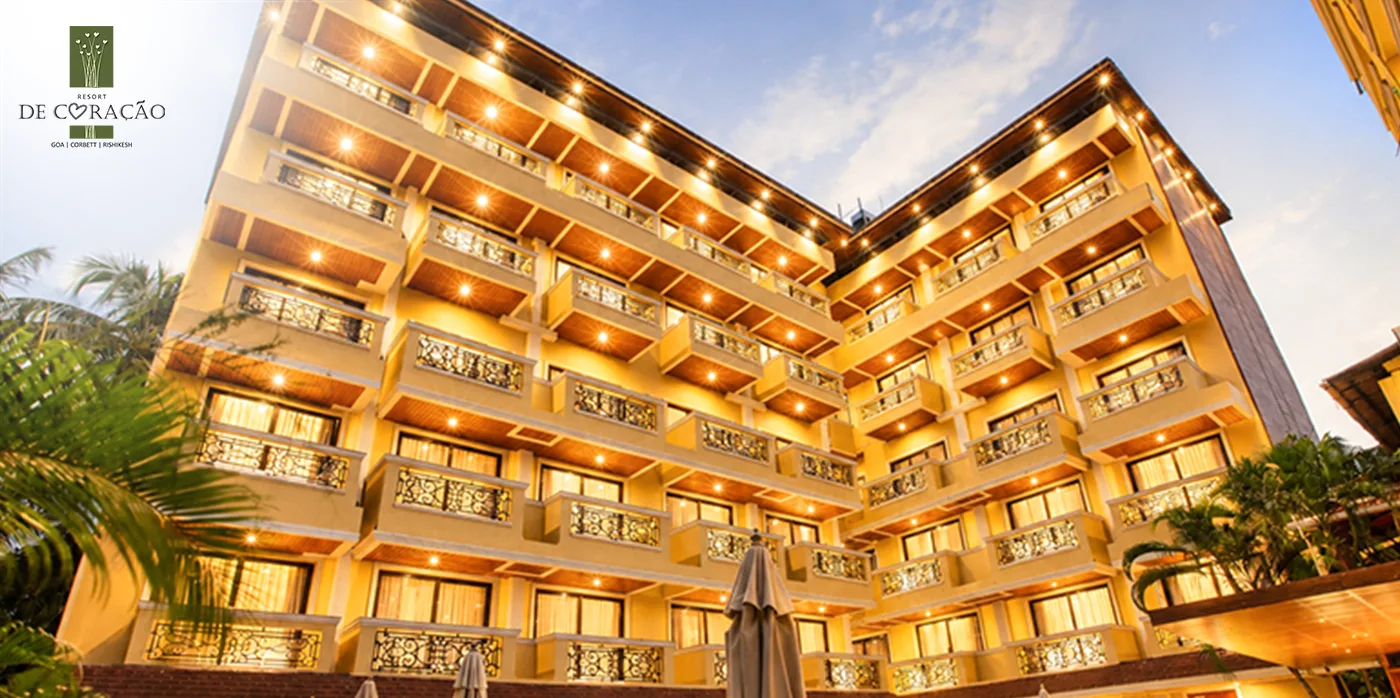
For teams looking at this belt, Resort De Coracao offers the layout and logistical handling that lets an agenda like this run the way it was designed to. Ask for a walkthrough of how the three-day structure maps onto the property before you commit to dates.
Riverside properties are noticeably quieter than road-facing ones. The current produces a steady band of white noise masking traffic and conversation, which is why most guests report sleeping deeper and waking naturally without an alarm.
October to March gives the clearest pre-dawn conditions, minimal haze and comfortable temperatures. Monsoon months bring dramatic water volume but reduced visibility, and riverbank access is restricted during heavy rainfall for obvious safety reasons.
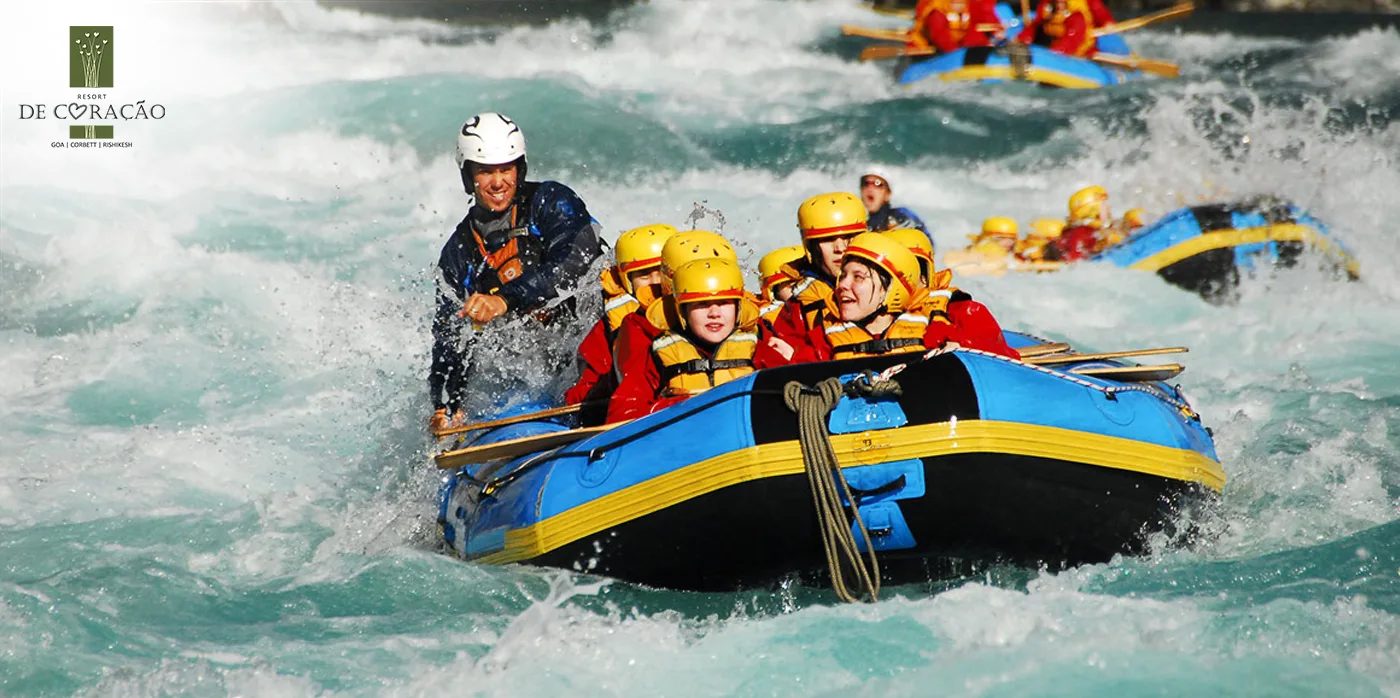
Most established riverside properties coordinate directly with UTDB-licensed operators and arrange departures between 8 AM and 9 AM. Confirm while booking rather than on arrival, since availability tightens sharply across weekends, holidays and the December peak.
Most Tapovan properties sit within one to three kilometres of Laxman Jhula, working out to a fifteen to thirty minute walk. During morning and evening congestion, walking is genuinely faster than driving, so plan your movement accordingly.
Tapovan is generally considered safe at that hour, with pilgrims, sadhus and shopkeepers already active along the main stretch. Stay on established paths, avoid wet rocks close to the current, and tell your property before heading out.
 +91 929292 8787
 reservation@resortdecoracao.com