 +91 929292 8787
 Book My StayMenu
Rishikesh has around fourteen localities that market themselves as riverside. Four of them actually are. The gap between a five second walk to the water and a fifteen minute one is where most bookings go wrong. If you are searching for a hotel in Rishikesh near the river, geography matters more than photographs.
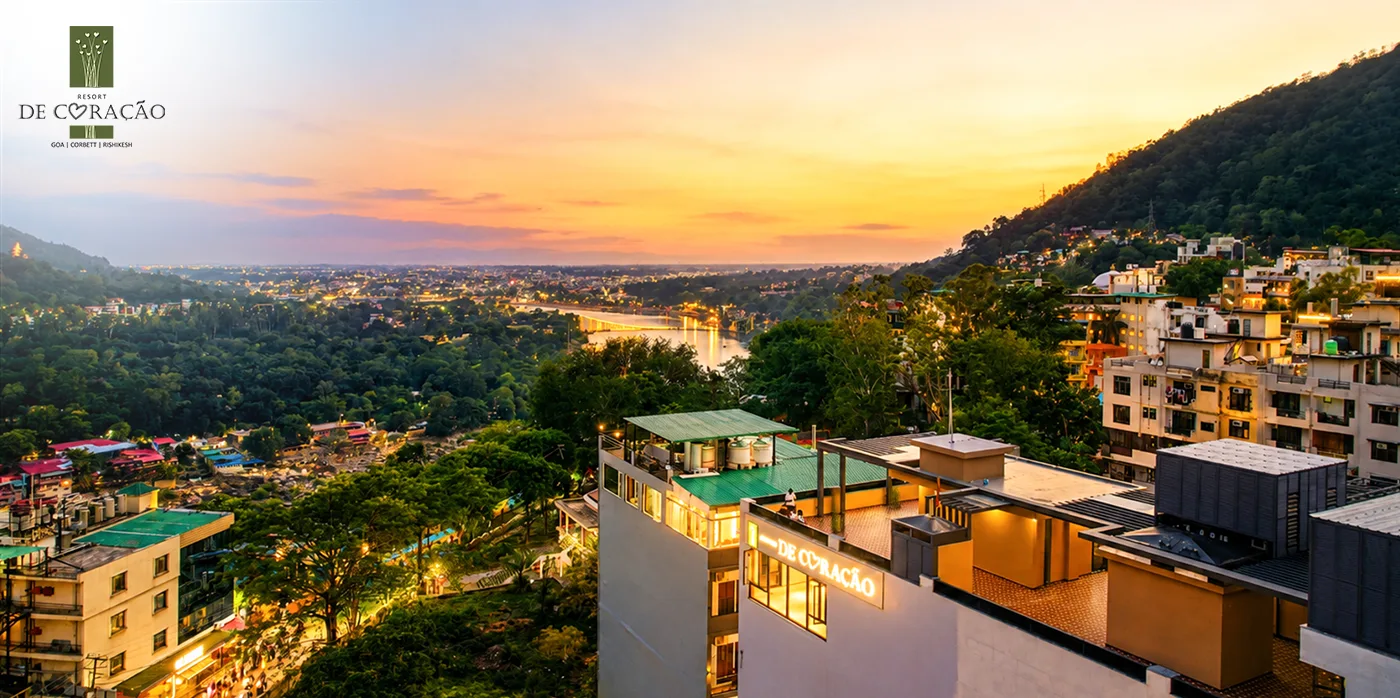
Rishikesh is not one compact town. It stretches close to 12 kilometres along both banks, split into pockets that feel nothing alike. The river bends sharply as it exits the Shivalik foothills, so some localities sit on the water while others sit on a ridge above it, separated by roads, markets, and staircases. This makes choosing a hotel in Rishikesh near river right neighbourhood especially important, depending on whether you want easy river access, peaceful surroundings, or proximity to local attractions.
State tourism figures place annual footfall across the Rishikesh belt in the millions, peaking between March and May. Almost all of them cluster into four or five neighbourhoods.
Tapovan rises above the western bank near Laxman Jhula. This is where the nuance begins.
The 6 am class bells around Laxman Jhula travel further than you would expect. Light sleepers on the lower slope should ask for a room facing away from the lane.
On the eastern bank between Ram Jhula and Laxman Jhula. Vehicles are restricted, temples line the path, and the water is rarely a minute away.
Walk between Ram Jhula and Parmarth Niketan at 5.30 am and you will pass more sadhus than tourists. By 8 am the same path is unrecognisable.
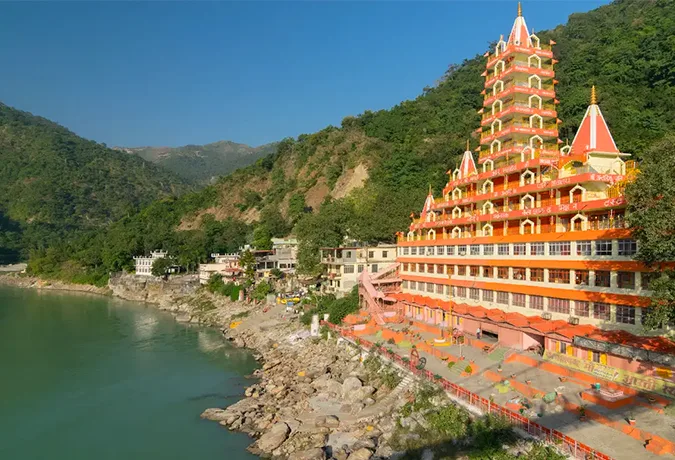
A separate municipal area at the Ram Jhula end. The name means sand of the sages, which tells you how close it once sat to the riverbed. Several properties still hold ghat access within three to eight minutes, though newer construction has pushed some back.
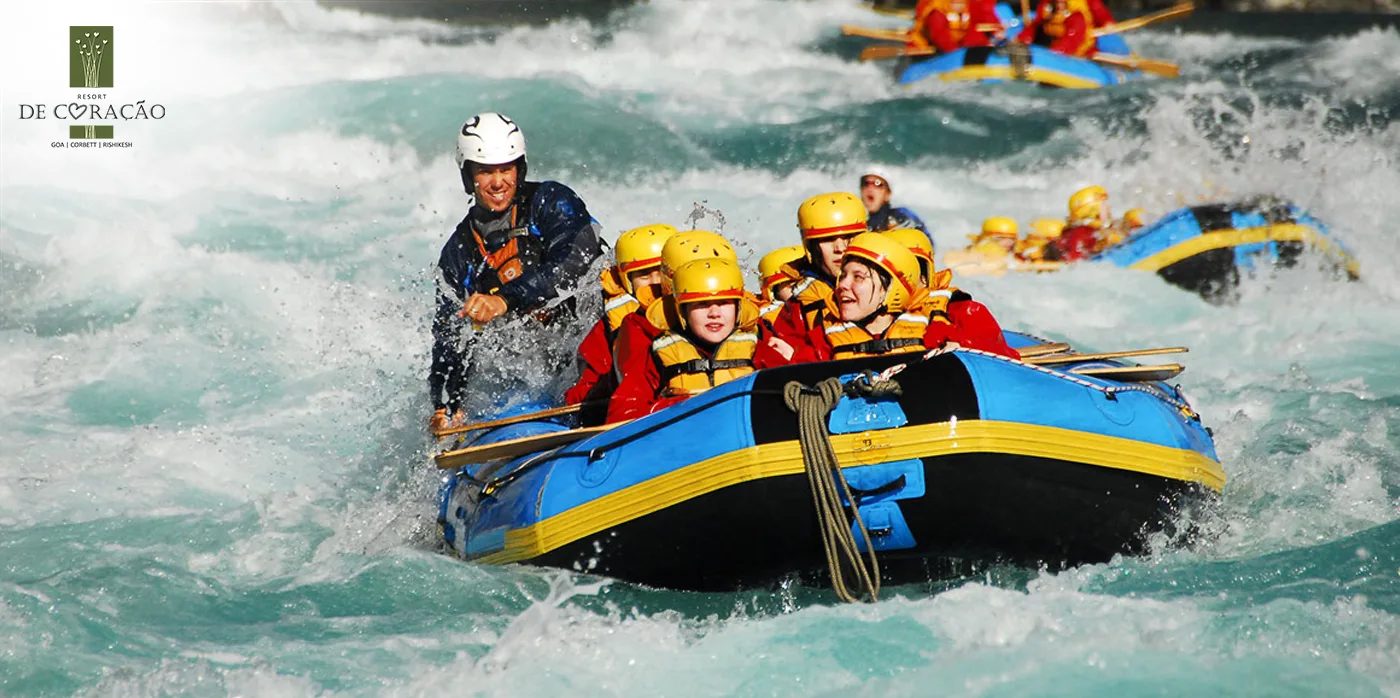
Roughly 16 kilometres upstream, where the rafting industry lives. Wide sandy banks, direct riverfront, rustic rather than refined. Shivpuri empties out between July and September when rafting suspends, so off-season quiet here is a different experience entirely.
This is the part most listings skip.
Nobody regulates this language, so treat it as marketing rather than description.
Ask one question before booking. How many minutes on foot from the room to the water. The answer tells you everything.
The reasons are practical, not promotional.
For a structured retreat, choosing a hotel in Rishikesh near the river here means practice, rest, and the water share one daily rhythm.
Neither is objectively better. It depends on what wakes you at 5 am and whether you mind.
The bank suits early dips and aarti proximity. Elevation suits sleep, cooler air, and quieter nights through peak season, when ghat activity runs well past evening.
Most first-time visitors overestimate how much they want the bank and underestimate how much they will value a full night's rest by day three.
"All of humanity's problems stem from man's inability to sit quietly in a room alone." — Blaise Pascal, Pensées, 1670
Pascal explains why location matters for a retreat. A room close enough to hear the Ganga makes stillness easier to reach. The right locality does half the work before practice begins.
Fifteen minutes of checking before you book changes the entire trip. Tapovan, Swarg Ashram, Muni Ki Reti, and Shivpuri genuinely sit on or beside the Ganga. Everything else sits inland, whatever the listing says. For a wellness retreat with the river within reach, Tapovan offers the strongest mix of access, atmosphere, and infrastructure. Properties such as Resort De Coracao reflect what this locality does best, pairing an elevated riverside setting with the calm serious practice needs. Book a hotel in Rishikesh near the river only after confirming how close that river really is.
Tapovan leads. It combines yoga schools, Ayurvedic centres, and genuine river proximity, making a hotel in Rishikesh near the river here practical for retreats where daily practice and rest share one walkable radius.
Partly. Lower Tapovan sits close to the ghats with quick access, while upper Tapovan offers elevated river views. Both remain walkable, though elevation changes how long that walk actually takes.
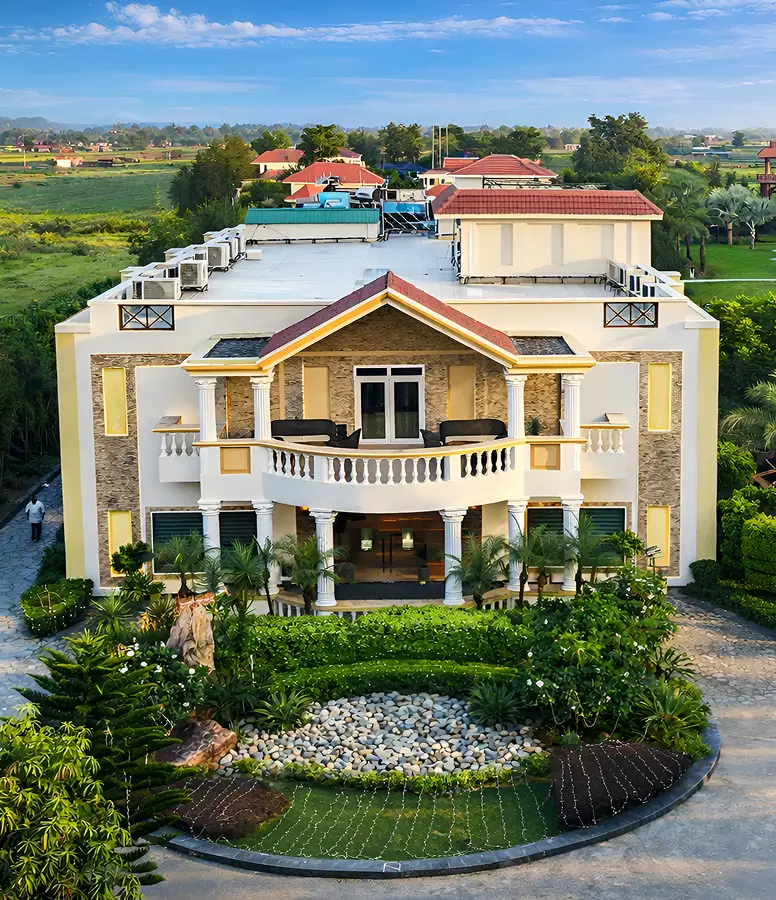
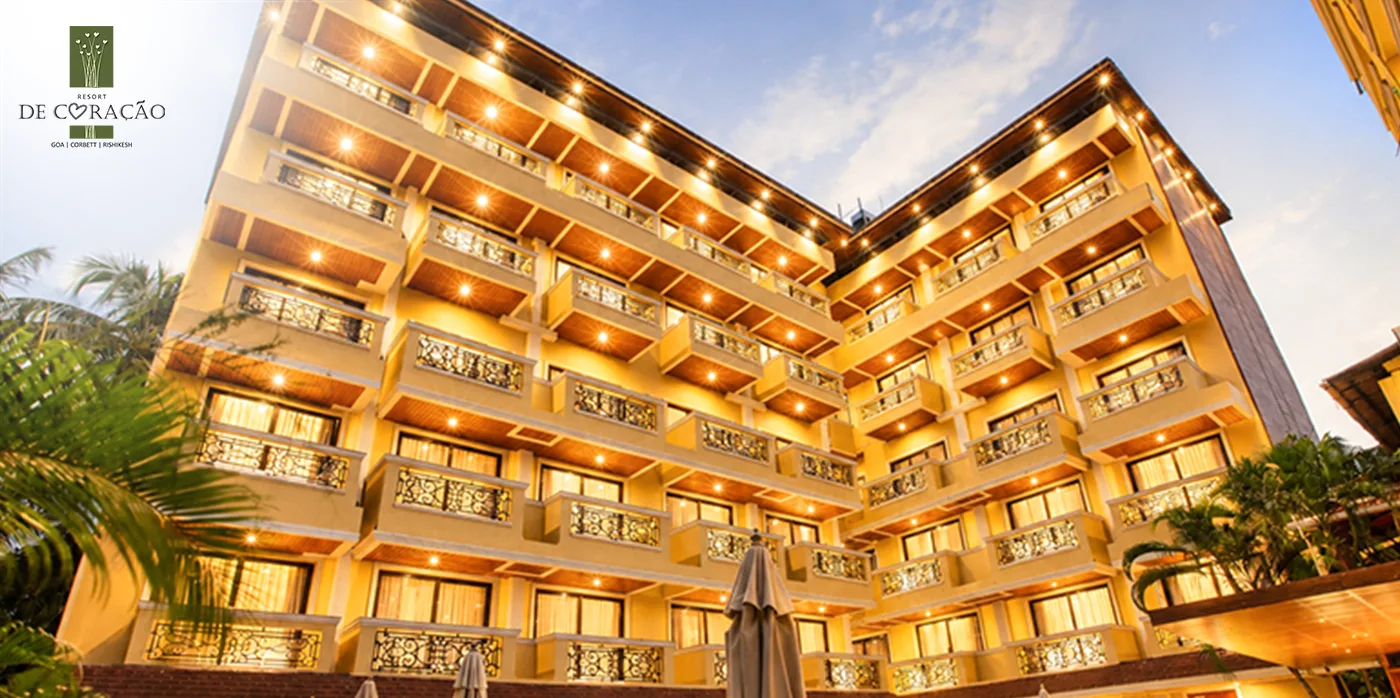
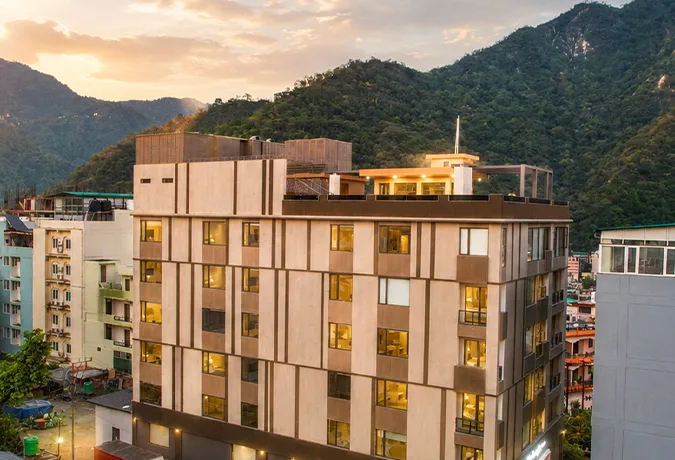
Resort De Coracao sits on the Tapovan slope, offering the elevated calm structured retreats needed. Its setting keeps morning practice, rest, and Laxman Jhula access within one manageable walkable radius each day.
February to April and September to November work best. Weather stays stable, river levels remain safe, and ghat access is uninterrupted, unlike monsoon months when steps are frequently submerged.
Ask for walking minutes from room to water, request recent photographs shot from the property boundary, and confirm whether ghat access is private, shared, or fully public.
 +91 929292 8787
 reservation@resortdecoracao.com