 +91 929292 8787
 Book My StayMenu
Most people plan a Corbett trip backwards. They spend three weeks comparing the best resorts in Jim Corbett, reading every review about pool sizes and breakfast spreads, then book a safari almost as an afterthought, whatever slot the travel desk offers on arrival. They come home with photographs of deer, a lot of dust, and a quiet feeling that the jungle happened to somebody else. Seasoned visitors know something different. The zone you enter decides your safari. Not the star rating of your room.
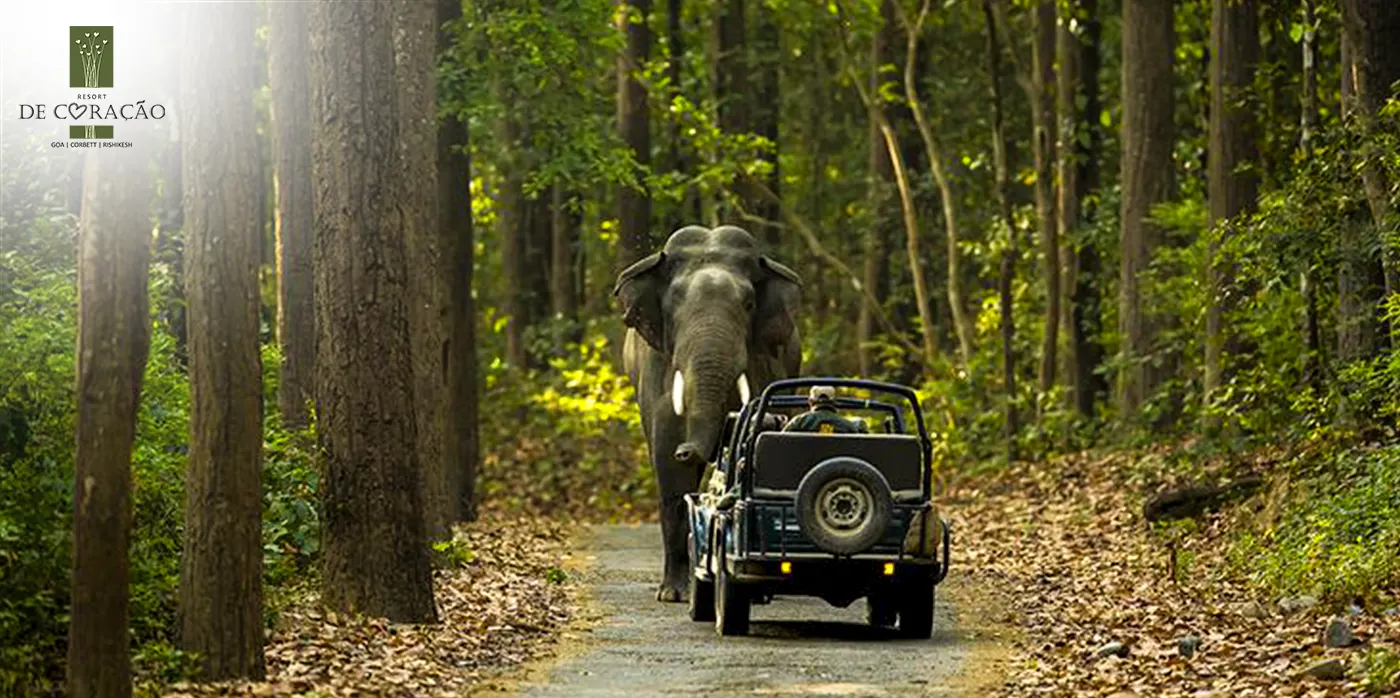
Established in 1936 as Asia's oldest national park, Corbett covers roughly 520 square kilometres of core area within the wider Tiger Reserve. That core is split into distinct safari zones, each with its own gate, permit quota, terrain and personality. Choosing the right zone is also important when planning your stay at the best resorts in Jim Corbett.
Six zones. Six entirely different mornings. Most first timers are simply handed whichever one still has permits left.
This is the part that costs people their trip.
Safari permits are issued by the Uttarakhand Forest Department through its official online portal, and core zone permits open 45 days in advance. Not 45 days before check-in. Forty-five days before the safari date itself. Peak weekends are gone within hours.
So the sequence matters. Finalise a December booking for a March visit; start thinking about a safari in February, and Dhikala is already gone. Probably Bijrani too.
A few honest realities nobody puts in a brochure:
Choose the zone first. Then choose where you sleep.
Picture the morning honestly. It is 4:40 am, still dark, and you are standing in a driveway in three layers. Either there is a flask of tea and a packed breakfast waiting, or there is nobody at the desk and your jeep leaves late. That single detail decides whether you reach the gate at opening or twenty minutes behind the first vehicles.
That is the real measure of the best resort in Jim Corbett. Not marble. Early kitchens, naturalists who track current movement instead of reciting brochures, and a front desk that understands permit windows rather than promising what it cannot deliver.
When comparing resorts near Jim Corbett, ask three things. How far from my booked gate. Can you handle predawn departures without fuss? Do you employ naturalists or only drivers?
"The tiger is a large-hearted gentleman with boundless courage."
Source: Jim Corbett, Man-Eaters of Kumaon, Oxford University Press, 1944.
Why it matters here: The man the park is named after wrote about respect, not conquest. Choosing zones responsibly and travelling with informed guides is how visitors protect this forest rather than pressure it.
Four steps in that order, and Corbett stops being a lottery.
My best Corbett morning included no tiger. The jeep took a wrong turn near a dry nullah; the driver cut the engine, and for eleven minutes the only sounds were langur alarm calls travelling across the canopy. Lens covered in dust, nothing to photograph, and none of us wanted to leave.
You do not get that from a comfortable room. You get it from being in the right zone, at the right hour, with someone beside you who can read what the forest is saying.
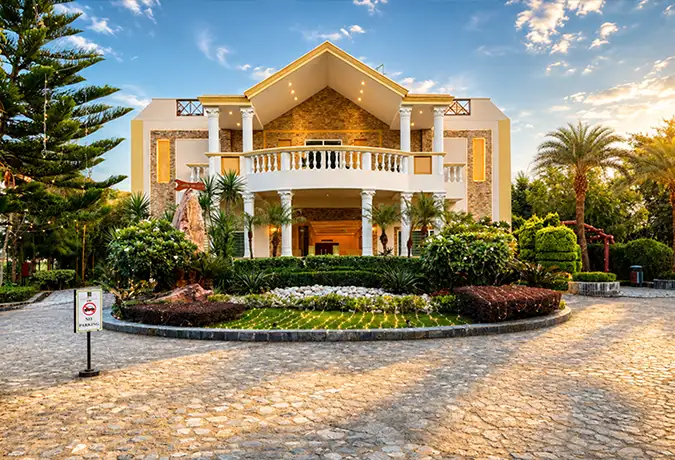
Choose a luxury hotel in Jim Corbett for comfort by all means, but judge it on proximity, naturalists and permit literacy first. Situated close to the Corbett belt with in-house naturalist support and early departure arrangements, Resort De Coracao reflects exactly that order of priority, which is what you should be looking for.
Look for a property combining conference halls, 50 plus rooms, single-sitting dining and reliable connectivity. Calangute resorts offering all four together handle 100-person corporate offsites far more smoothly than scattered multi-venue arrangements.
Book three to four months ahead, especially between October and February. Peak season fills quickly, and early confirmation secures better rates, guaranteed room blocks, negotiable inclusions and priority conference hall availability for your dates.
Pillar-free conference space, sufficient room inventory, single-sitting dining, high-speed Wi-Fi, recreation areas and a dedicated event coordinator matter most. These six together determine whether a hundred-person corporate offsite runs smoothly or stressfully.
Calangute properties built around group hospitality typically provide conference facilities, banquet dining, pool access and coordinated airport transfers, making them practical, budget-sensible choices for mid-sized corporate offsite requirements across most Indian companies.
Two nights and three days works best. It allows one full working day, one dedicated bonding day, and comfortable travel windows without exhausting participants or stretching departmental budgets beyond approved annual limits.
 +91 929292 8787
 reservation@resortdecoracao.com